


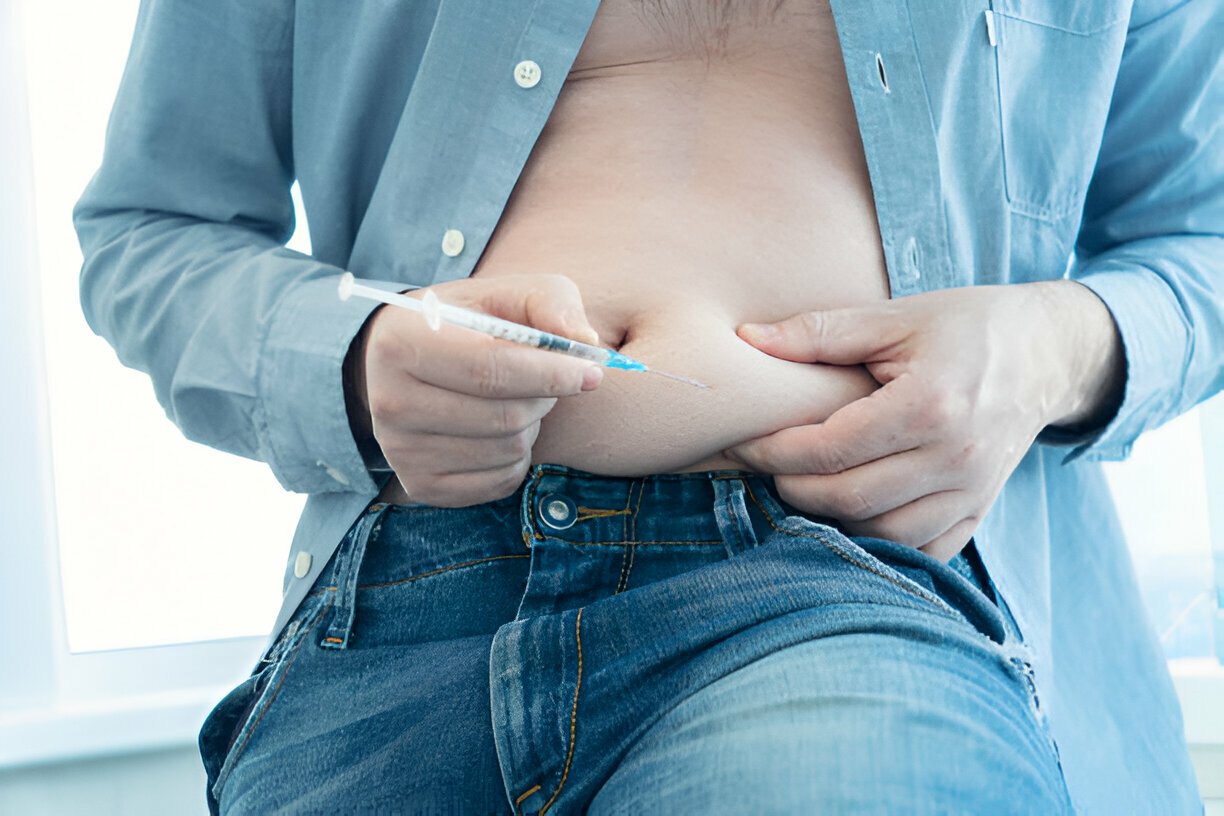
Treatment for obesity includes a combination of diet, exercise, behavior modification, and sometimes weight-loss drugs. In some cases of severe obesity, gastrointestinal surgery may be recommended.
Obesity Treatment Using Diet, Exercise and Drugs
- Behavior modification and behavioural skills training to modify eating and physical activity habits to prevent weight regain are often used.
- Two main types of dietary therapy are a low calorie diet (800–1500 calories daily), and a very low calorie diet (less than 800 calories of energy daily), which usually consists of a protein-enriched liquid.
- Concerning exercise and obesity, the primary goal is to move sedentary people into an active category (even if it is moderate levels of intensity) and to move moderate level individuals into more vigorous levels. Habitual physical activity can also help keep weight off after weight loss has been achieved, and can reduce the threat of the post-weight-loss seesaw effect.
- In terms of increasing children’s physical activity, a more active daily lifestyle should be encouraged rather than structured aerobic exercise schedules.
- Weight loss drug treatment may also be recommended, although such medications are more effective when combined with Dietary and Exercise counseling.
Weight Loss Surgical Treatment of Obesity
Gastrointestinal surgery is a viable option for people who remain severely obese after trying nonsurgical approaches, or who suffer from serious obesity-related health problems. As in other treatments for obesity, the best results are achieved in combination with healthy eating behaviors and regular physical activity.
89%

An Easy Diet Program for Lasting Weight Loss
One of the friendliest and BEST VALUE diet programs on the Internet is the
Anne Collins Diet Program. Containing a range of delicious menus, it also
includes a list of “brilliant” weight motivation tips.